




Looply 2.8.0: New Features and SAP Certification Mark a Major Step Forward
Looply 2.8.0: New Features and SAP Certification Mark a Major Step Forward
Over the past few years, one thing has become increasingly clear in SAP organisations: the challenge is no longer just about implementing systems — it’s about how people interact with them.
Despite significant investment in SAP, many organisations still rely on fragmented processes, email-driven workflows, and multiple disconnected tools. The result is a growing productivity problem driven by context switching — where users constantly move between systems just to complete a single task.
Looply was created to address exactly this challenge — by bringing SAP business processes into Microsoft Teams, where work is already happening.
Now, with the release of Looply Core 2.8.0 and official SAP Clean Core certification for the Looply Add-on for SAP (Looply 120), the platform has taken a significant step forward.
This is not just an incremental update. It reflects both product maturity and strategic alignment with the future of SAP.
A Platform That Continues to Evolve
Looply has always focused on a simple idea: bring SAP processes to users, rather than forcing users into SAP.
That means delivering approvals, notifications, and actions directly into Microsoft Teams, using rich, interactive experiences such as Adaptive Cards, and enabling users to respond in real time without switching applications.
The latest release strengthens this platform in two important ways:
- Looply Core 2.8.0 (cloud platform) introduces new capabilities and enhancements across workflows, cards, and developer tooling
- Looply Add-on for SAP (Looply 120) achieves official SAP certification, confirming its alignment with Clean Core principles
Together, these represent both functional advancement and architectural validation.
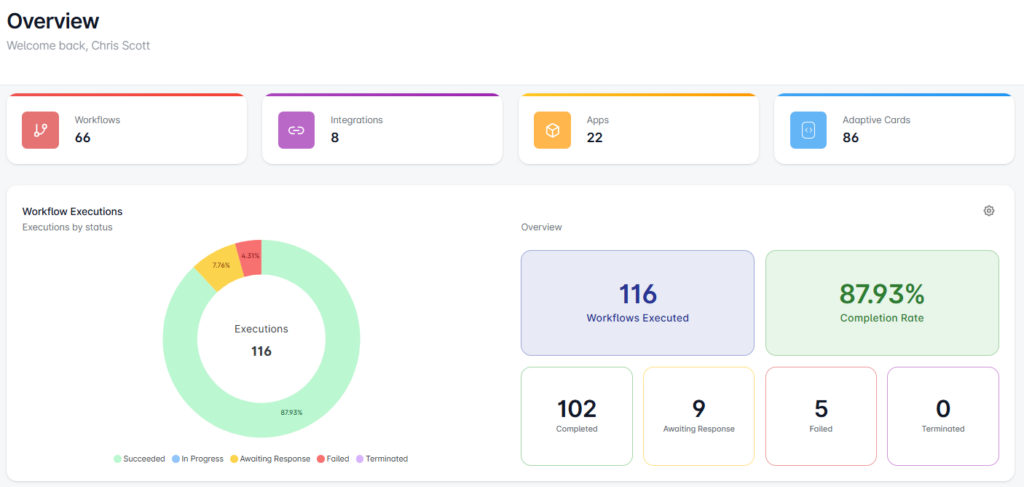
What’s New in Looply Core 2.8.0
The latest version of the Looply Core platform introduces a range of enhancements across the platform. Rather than listing features in isolation, it’s more useful to understand what they enable.
More Powerful Workflow Design
Looply’s Workflow Studio continues to evolve into a true orchestration layer for SAP-driven processes.
The latest enhancements improve how workflows are defined, managed, and extended — giving organisations more control over how events, conditions, and actions are handled across systems.
This is particularly important in real-world SAP scenarios, where processes rarely follow a simple linear path. Approvals, escalations, notifications, and integrations often need to be coordinated dynamically, and 2.8.0 strengthens Looply’s ability to support that complexity.
Enhanced Adaptive Card Capabilities
Adaptive Cards are at the heart of the Looply experience, enabling users to interact with SAP data directly inside Teams.
With 2.8.0, there are improvements in how cards are generated, rendered, and updated. This includes better support for dynamic content and more flexibility in how information is presented.
The result is a more intuitive and responsive user experience, where:
- Users see the right information at the right time
- Cards reflect real-time process status
- Actions can be taken immediately, without navigation
This continues to move away from static notifications (like email) toward truly interactive process engagement.
Improved Developer Experience
Looply has always aimed to balance low-code simplicity with enterprise-grade capability.
In this release, there are improvements that make it easier for developers and citizen developers alike to:
- Build and maintain templates
- Configure workflows
- Integrate with external APIs and SAP services
This is particularly important as organisations look to scale their use of Looply across multiple processes and departments. The easier it is to build and adapt solutions, the faster organisations can realise value.
Enterprise Readiness and Governance
As adoption grows, governance becomes critical.
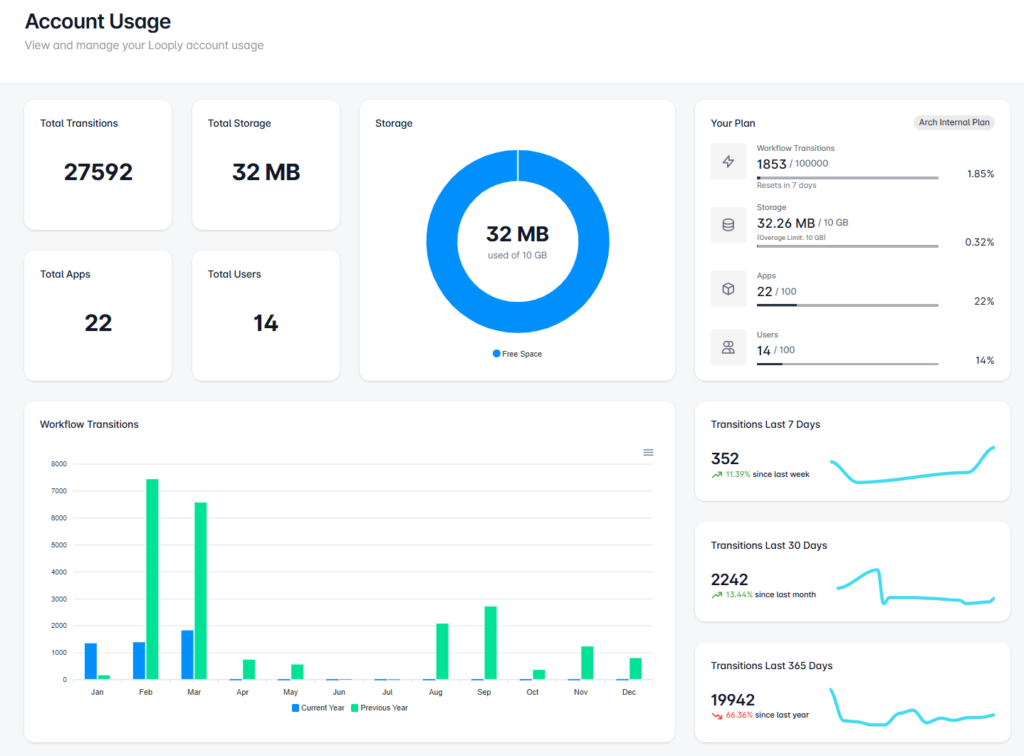
Looply 2.8.0 includes enhancements that support enterprise deployment at scale, including better management of apps, workflows, and integrations.
This aligns with how organisations are increasingly using Looply — not just for isolated use cases, but as a strategic platform for extending SAP into Microsoft Teams.
SAP Certification for the Looply Add-on (Looply 120)
Alongside the platform enhancements, the Looply Add-on for SAP (Looply 120) has now achieved official SAP Clean Core certification.
This is a significant milestone — not just from a technical perspective, but from a strategic one.
SAP’s Clean Core approach is all about ensuring that:
- Core SAP systems remain stable and upgradeable
- Extensions are built in a way that does not compromise standard functionality
- Organisations can innovate without creating long-term technical debt
The Looply Add-on is the SAP-resident component that enables secure integration between SAP and the Looply platform. Its certification confirms that this integration approach fully aligns with SAP’s recommended architecture.
Why This Matters
For many SAP customers, one of the biggest concerns when introducing new tools is whether they align with SAP’s recommended direction.
Looply now provides a clear and credible answer.
With a SAP-certified add-on (Looply 120) and a rapidly evolving cloud platform (Looply Core 2.8.0), organisations can:
- Extend SAP processes without modifying the core
- Integrate using approved, future-proof patterns
- Deliver modern user experiences through Microsoft Teams
- Maintain confidence in upgradeability and long-term SAP strategy
This is particularly important for organisations moving to, or already running, S/4HANA — where Clean Core is a central design principle.

Bringing It All Together: From Integration to Transformation
Taken together, the 2.8.0 release and SAP certification represent something bigger than a feature update.
They reinforce Looply’s position as a platform that sits at the intersection of:
- SAP business processes
- Microsoft Teams collaboration
- Modern, event-driven architecture
And they highlight a broader shift in how organisations are relying on SAP to provide a process and data backbone, while relying on Teams as the entry point for many users.